Make your own merch: top mistakes to avoid
Your first merch drop should feel exciting. But the space between inspiration and execution is where many creators stumble. Order too much, design too little, or forget the details, and your launch risks being remembered for the wrong reasons.
Every mistake has a creative fix though. Here is how to get your custom products right the first time. So what are the most common mistakes first-time creators make with custom products?
Launching merch is both art and strategy. Creators pour energy into designs, but production choices shape how those ideas land in the real world. A sloppy patch, a generic hoodie, or packaging that feels like an afterthought can weaken the connection you are trying to craft.
Most first-time creators do not lack creativity. But what they do lack is experience with how creativity translates into physical products. This article unpacks the mistakes we see again and again when you make your own merch, paired with lessons and strategies that can turn a rough debut into a polished launch.
Overestimating demand
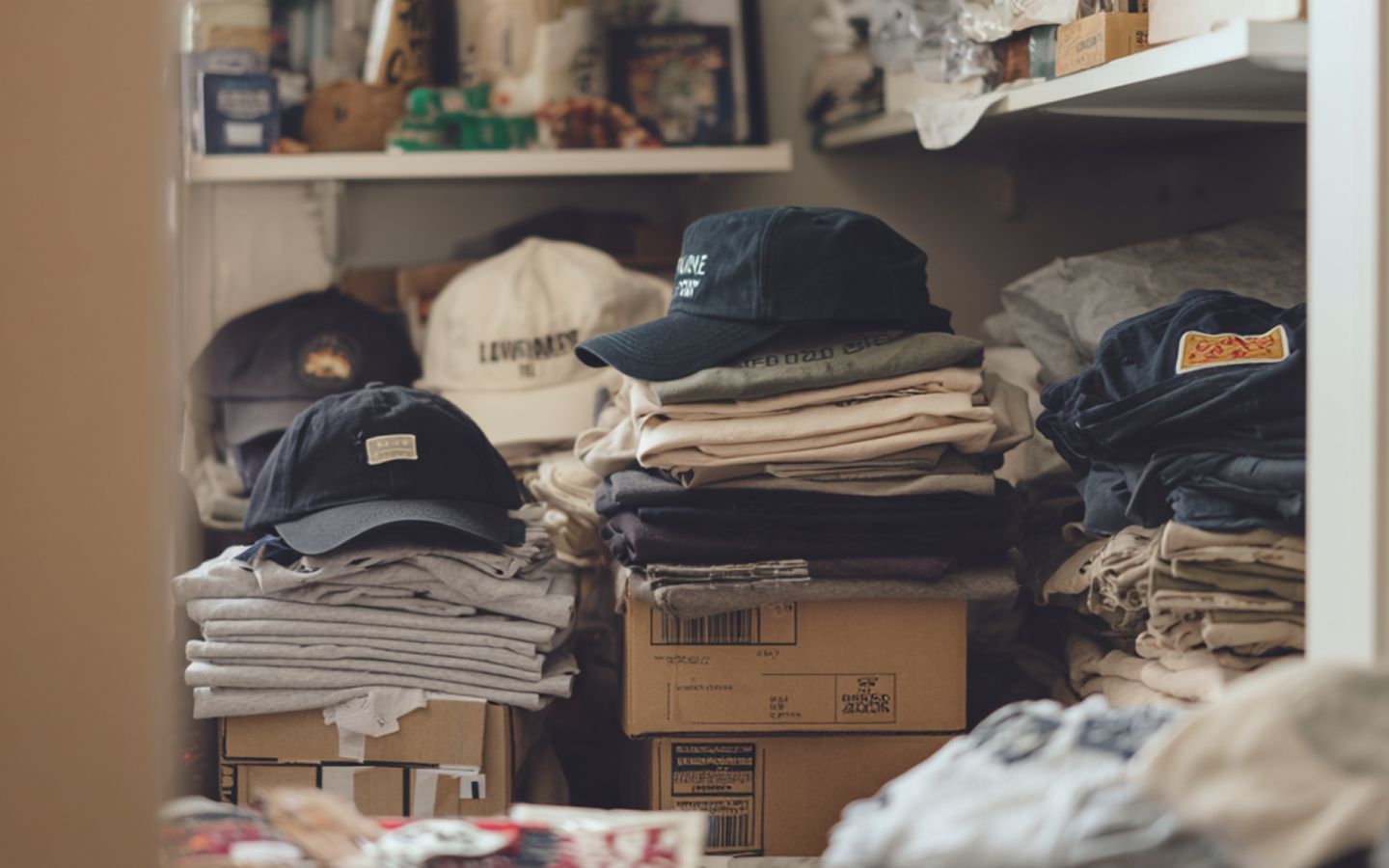
It is tempting to assume your audience is as ready as you are. Too many creators order mountains of merch on day one, only to discover that selling 500 hats is harder than it looks. The result is closets stuffed with dead stock and energy wasted managing leftovers.
Instead, treat your first launch as a creative test. Limited runs and pre-orders allow you to experiment without overcommitting. That is where low MOQ manufacturing comes in. It lets you start small, gauge audience response, and especially build buzz around scarcity (a top-tier move for brands starting out). A drop of 50 enamel pins that sell out quickly is far more powerful than 500 units of any product just waiting around to gather dust.
Rushing design details
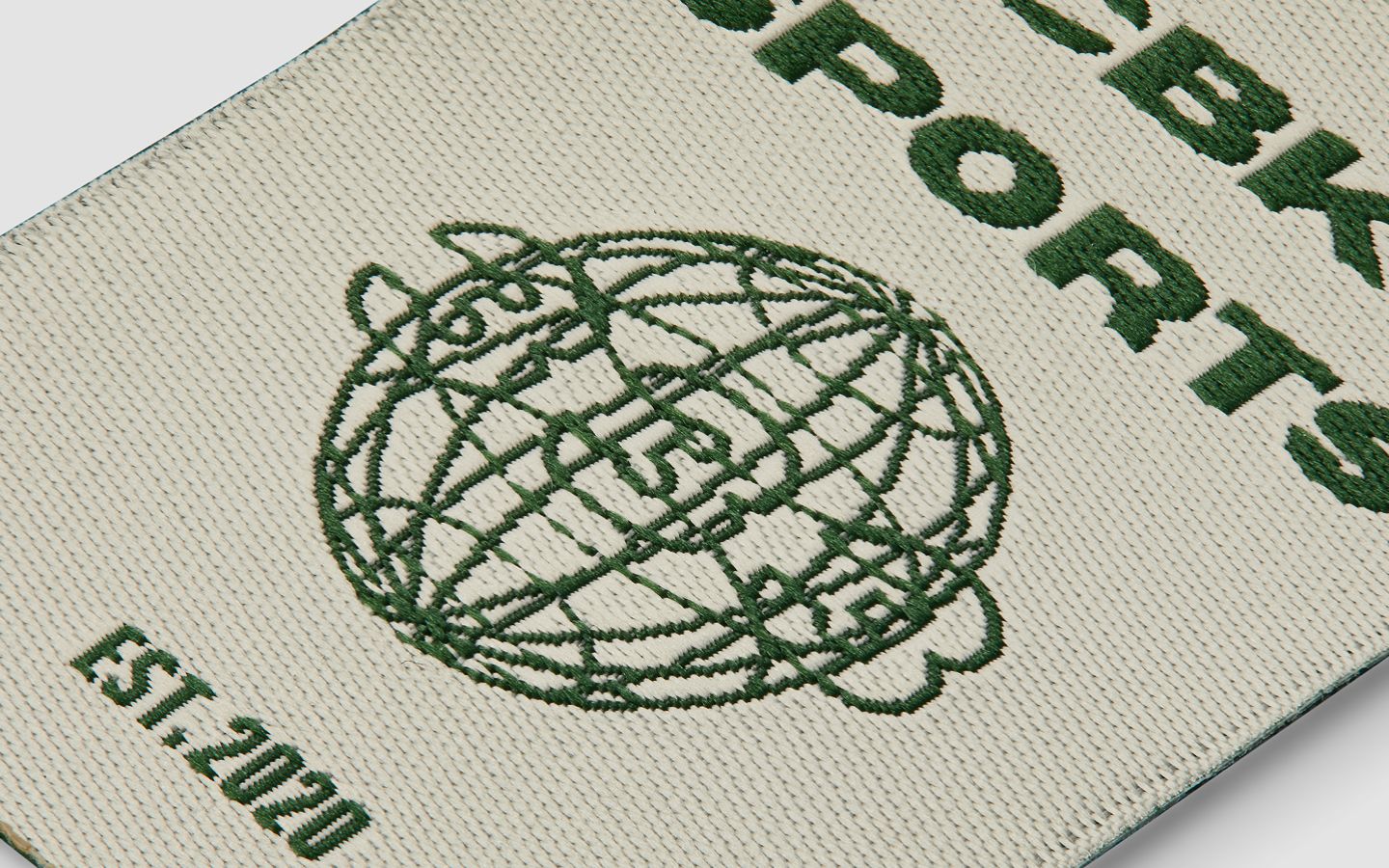
Digital artwork does not always translate cleanly to physical form. How do you make sure a custom patch looks as good in real life as it does on screen? A logo that pops on a screen might blur when embroidered. Fonts that read well at poster scale can vanish when shrunk onto a label. First-time creators often rush this stage, skipping mockups or ignoring how design interacts with materials.
Consider a custom patch. You need to think about thread count, border style, and backing options. Merrowed edges give a classic look, while laser cut borders allow for complex shapes. The right backing such as iron-on, Velcro, or adhesive changes how fans will actually use the patch. Design is not only about the image. It is about how the image lives on the product.
Choosing the wrong canvas
Even a strong design can fall flat on the wrong base. What is the best canvas for custom designs like patches or pins? Maybe you designed a sleek leather patch but placed it on a soft cap that collapses. Or you printed art on a T-shirt that loses color after two washes. The canvas matters as much as the concept.
Match materials and product types to your vision. For tactile logos, hats or beanies make excellent foundations. For playful art, enamel pins or keychains might work better. When creators pick canvases that complement their art, the merch feels intentional. And choosing quality materials up front builds trust for future drops.
Overlooking packaging and presentation
Your product is not just what is inside. It is also how it arrives. Too many first-timers treat packaging as an afterthought, shipping creative designs in plain boxes or plastic mailers. That misses a major chance to delight fans.
Presentation extends your brand. A sticker sealing a bag, a printed hang tag with your story, or a custom box lined with art all add meaning. The unboxing becomes part of the product, and it also helps to think about packaging in an eco-conscious way from the get go. Fans post those moments, and your packaging does marketing for you. Custom packaging is not only about protection. It amplifies originality from the first touch.
Forgetting to think collectible
Fans do not just buy things. They often collect. And how can creators make their merch more collectible? Creators who overlook this miss a chance to deepen engagement. A patch might be one-off, but a patch series can become a timeline of your growth. A single coin is interesting, but a run of coins marking milestones is irresistible to serious collectors.
That is why small, affordable items like enamel pins, patches, and coins are powerful starting points. They let you explore different aesthetics, create limited editions, and build momentum with every drop. For your audience, owning these pieces feels like being part of your story. For you, it is a way to experiment creatively while keeping costs manageable.
The reality check (for creatives)
Launching new custom merch is not about avoiding mistakes entirely. What should first-time creators expect when launching merch? It is about building systems that let you experiment, learn, and adjust without losing your creative spark. Every creator hits bumps, whether it is a patch that feels too small, a cap that fits too tight, or packaging that does not quite match the vibe.
Platforms like THE/STUDIO are built to keep creators focused on creativity. From embroidered patches to socks, hats, pins, and medals, you get the flexibility to test multiple products without drowning in logistics. Prototyping in small runs lets you check color, texture, and fit before committing. With design experts reviewing your artwork, you avoid common pitfalls that first-timers miss.
In short, you stay creative while the technical details are handled efficiently by us.
Final thoughts
First-time merch launches fail not because the ideas are weak but because the process overwhelms the creativity behind them. Ordering too much, rushing designs, choosing the wrong products, ignoring presentation, these are mistakes that blur great ideas into forgettable items.
The fix is to slow down, test thoughtfully, and let your creativity guide the strategy. Pick canvases that make your art shine, design details that hold up in real life, and packaging that extends your brand. Start with manageable drops and treat each one as a chance to refine your style.
When you do, you are not just selling gear. You are creating a system of custom products that reflect your creativity and build long-term loyalty. That is the difference between a first drop that fizzles and one that sets the stage for everything to come.