Patagonia Patch Hats: simple branding that works
Patagonia patch hats are a masterclass in less-is-more. One clean patch. On the trail, downtown, at the airport, spot it once and you can’t unsee it. That’s the power of a logo that shows up without making a scene.
If you want that kind of rep, a well-made patch on a cap is a good place to start, proof that simple branding still moves mountains.
Key takeaways
A single, well-placed patch can do more for brand identity than complex design or heavy branding.
The right materials, stitching and structure make a simple hat feel premium, intentional and enduring.
Repeating one clear emblem across styles and seasons teaches audiences to recognize your mark instantly.
Why “just a patch” wins
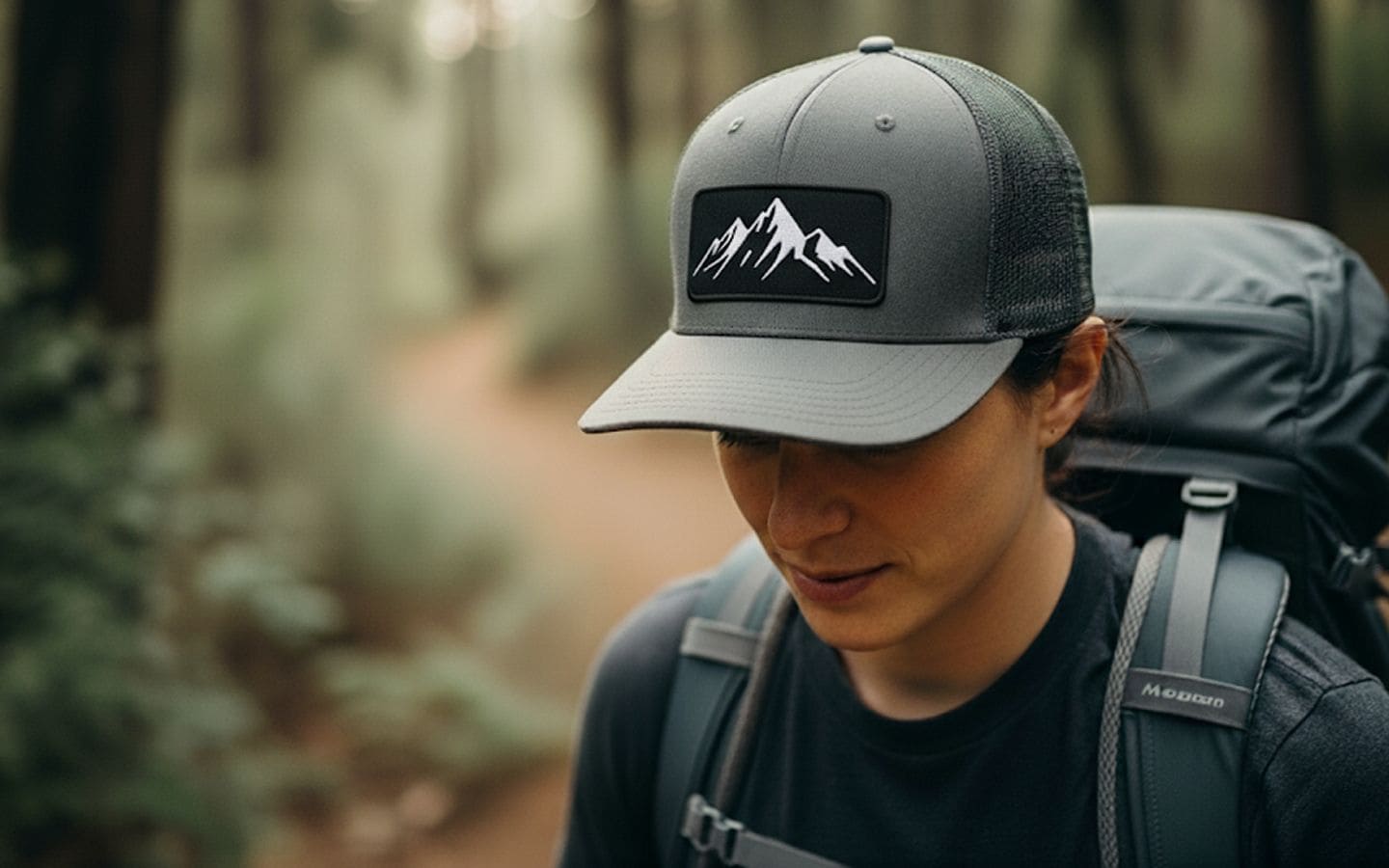
In a loud marketplace, a small rectangle of fabric can do what paragraphs of copy can’t: be remembered. Patagonia’s P-6 LoPro Trucker keeps the message tight. Icon up front, breathable mesh, recycled brim, and lets repetition do the heavy lifting.
The takeaway isn’t about hiking, it’s about clarity. Logo patch hats are portable billboards with better manners.
We’ll look at how Patagonia executes the idea and how other outdoor and workwear names have built their own patch playbooks. You’ll learn how you can adapt the formula without diluting your story.
How a Patch becomes a brand magnet
Patagonia has shown the blueprint. The P-6 and Fitz Roy truckers keep a single emblem centered and spare, which makes the hat readable from across a trailhead or a baggage carousel.
The construction backs that vibe up with a quiet material flex that deepens the narrative:
Organic-cotton front.
Recycled mesh.
Brim made from reclaimed fishing nets.
It’s the kind of detail that rewards repeat encounters and turns a lean and rugged trucker hat with patch into shorthand for a worldview.
Look sideways and you’ll see the same principle traveling well beyond any single brand.
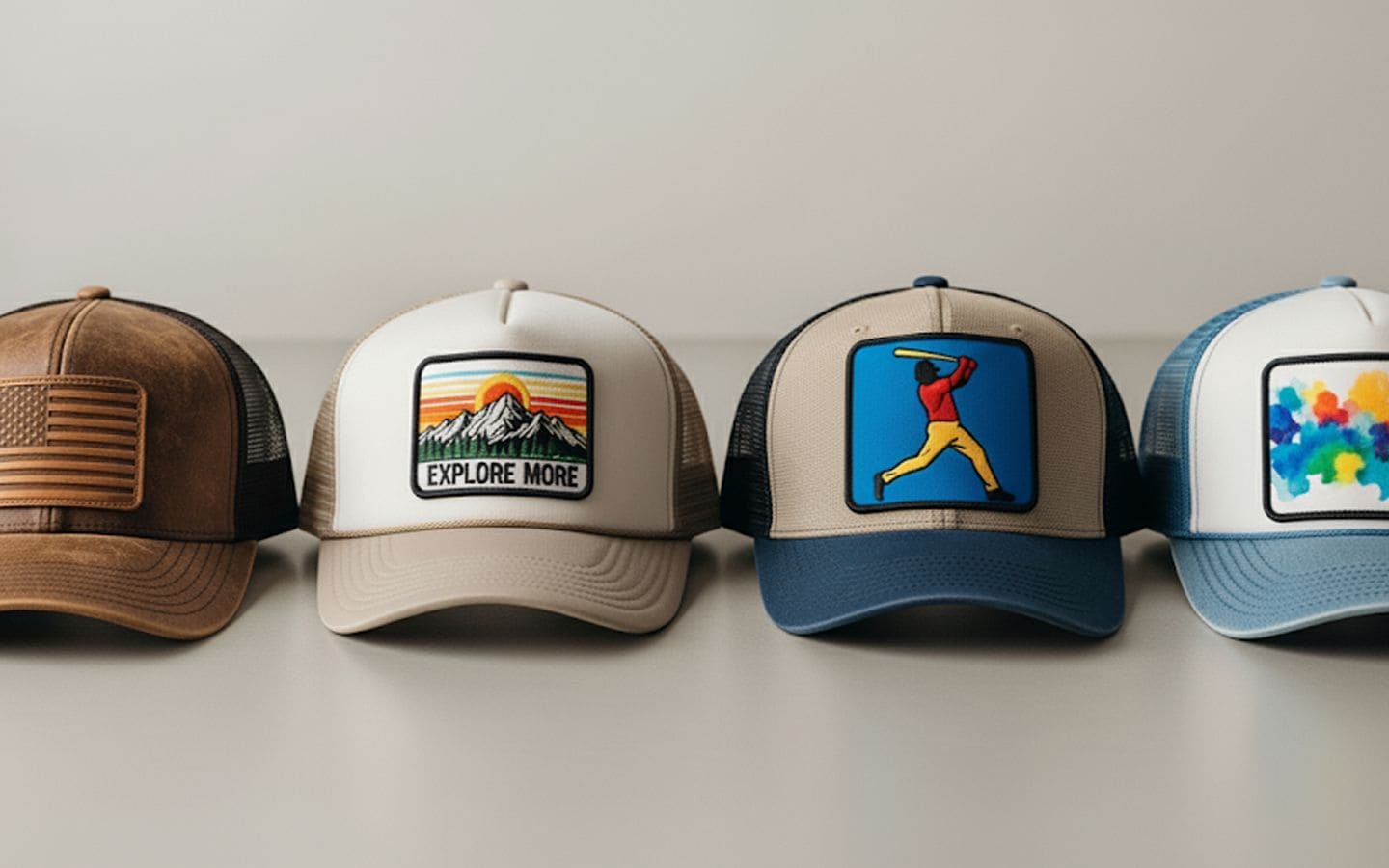
Carhartt leans into workwear credibility (and a dash of hipsterism of the healthy kind) with canvas caps that feature sewn-on marks like “Workwear” and “C” patches that feel crafted, not assembly-printed.
YETI runs a parallel route in the outdoor-lifestyle lane. Their “Logo Patch Low Pro Trucker” leads with the badge and backs it with recycled-net brims as well, syncing the product with the brand’s positioning. The story lands with one glance, which is the whole point of patches done right.
Columbia’s PFG Patch Mesh Ball Cap shows the fishing-first spin on the same idea. The mark is crisp, the mesh keeps it practical on the water, and the word “Patch” in the name signals the aesthetic up front. If you’re targeting a specific subculture, this kind of crystal-clear cue saves you from overdecorating the canvas.
Tommy Breeze takes the patch hat to a different altitude. Based in California, the brand built its identity on hand-drawn mountain landscapes and geometric sunbursts stitched onto everyday caps. Each design begins as original art, then becomes a patch that turns a simple hat into a small canvas for adventure.
That commitment to craft led to their collaboration with THE/STUDIO. This proves that when the design is strong enough, a patch doesn’t just decorate a cap, it carries the whole story forward.
Design choices aren’t just about aesthetics, they broadcast values:
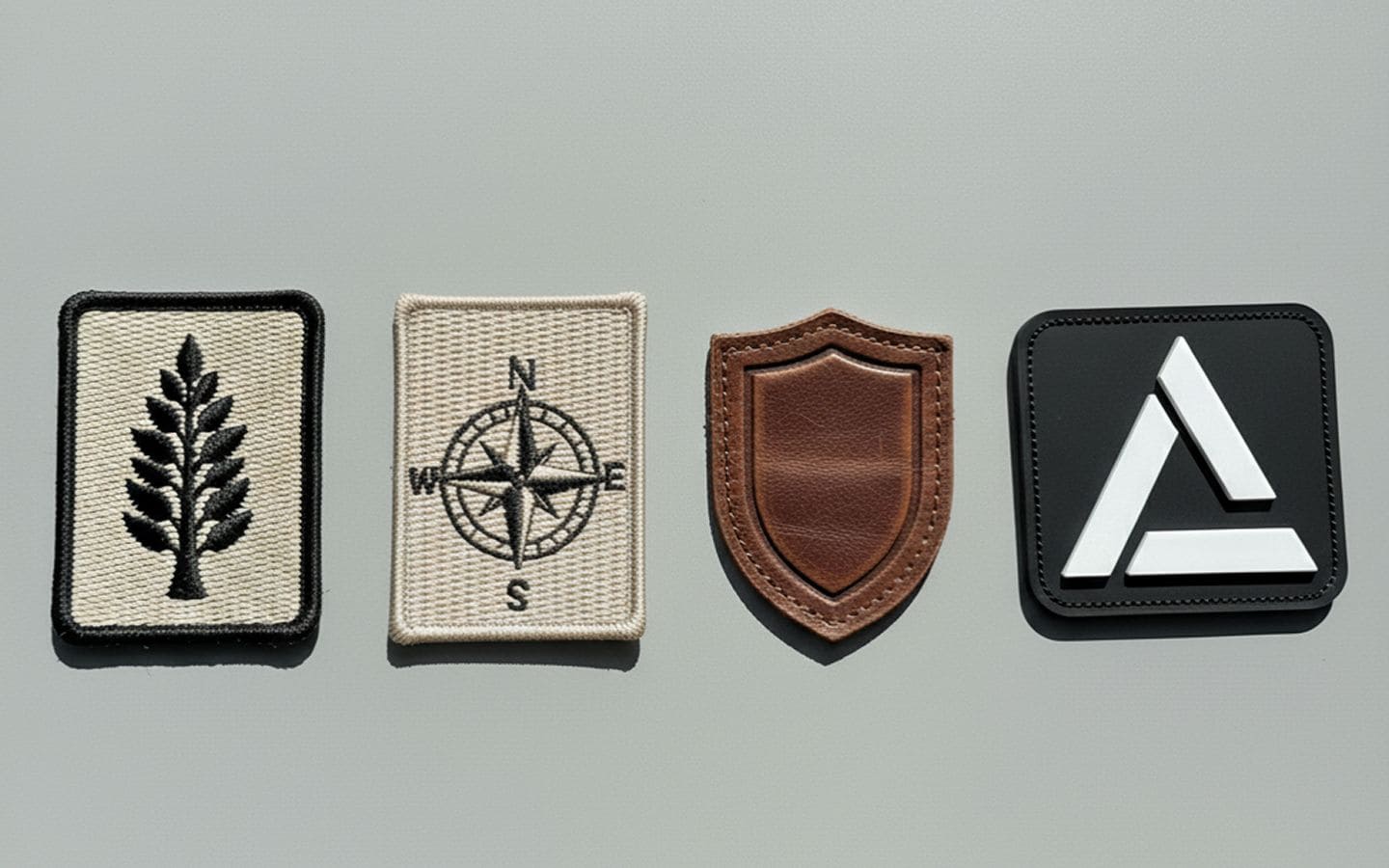
Embroidery adds relief and shadows.
Woven keeps lines razor-clean for miniscule fonts and intricate logos.
Leather warms things up and ages with you.
Choose the medium that serves your art, not the trend.
When your mark needs tactile presence, embroidered patches for hats still hit with timeless authority.
When your logo has micro-details, woven thread can keep it legible at small sizes.
Placement shapes personality.
Center-front is classic and direct.
A side patch feels boutique and a little subversive.
A back patch rewards the person in line behind you.
Additionally, proportions matter more than people think.
Size the patch for how the hat is worn in your world.
Low-crown pieces can make oversized badges feel like they’re too much.
Mid-crown truckers can handle more presence without tipping into novelty.
Clean borders, merrowed or laser-cut, keep edges crisp after a dozen washes, which protects recognition over time.
Consistency is the compounding interest of headwear. Keep the emblem stable and rotate base colors, fabrics, or limited drops around it. The rhythm feels familiar yet fresh, and it teaches audiences to spot you faster.
Minimal is never plain; it’s precise. When you control shape, spacing, and contrast, you end up with a minimalistic visual system that travels from a beach town to a Mad Men style boardroom.
The patch becomes your signature, recognizable, photogenic, and wearable across any subculture.
Counterpoints and challenges
A clean badge can fall flat if the artwork doesn’t have character, or if the patch itself feels flimsy. That’s the catch: the idea may seem simplistic, but the correct execution takes craft. Get the wrong stitch density on an embroidered cap and the detail blurs; pick the wrong material for your climate and suddenly your hat is a closet ornament.
This is where having the right partner matters. At THE/STUDIO, we work with creatives who want to own their patch game without getting lost in production headaches. You might bring us a sketch that begs for the depth of embroidery, or a design that needs the micro-sharpness of a woven patch.
Some brands elevate their look with leather that ages beautifully, or PVC that shrugs off rain on outdoor gear. Backings such as iron-on for quick fixes, Velcro for modular teams, and adhesive for event drops let you experiment before committing.
And when the patch is ready, you don’t need to hunt down the perfect cap to stick it on, we also offer hats designed to showcase your mark.
The challenge isn’t “Can a patch work?” It’s “How far can you push it?” With the right materials and the right partner, the answer is: farther than you think. That’s how custom patch hats become signatures rather than souvenirs.
Final thoughts
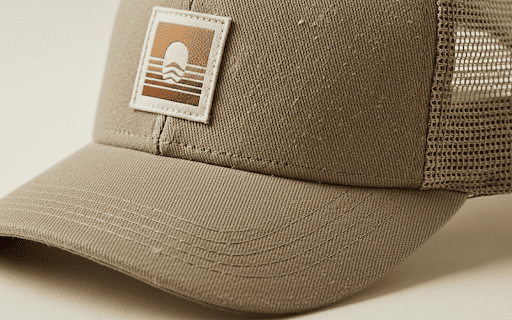
A patch hat is a small canvas with big broadcast power and Patagonia proves this wholeheartedly: hold the mark steady, give it room to breathe, and repeat it until it becomes muscle memory. Carhartt leans rugged, YETI goes utility premium, Columbia keeps it technical. Tommy Breeze strives for visual impact. Heck, even NASA made a breakthrough in the patch game.
Different routes, same destination: instant recognition without seeming obnoxious.If this has you sketching, start with one confident emblem, pick the patch medium that flatters it, choose a crown and wear-test until strangers start asking where it’s from.
That’s the promise of brand storytelling in headwear. To be quiet, consistent, and built for the move.