Types of caps: 25 styles explained for brands and merch makers
You know a baseball cap when you see one. Then someone asks for "a snapback trucker, but softer, like a dad hat," and the names suddenly stop making sense.
Why? Well, because each name describes a different part of the cap.
Trucker is the back.
Snapback is the closure.
Dad hat is the crown.
So one cap can be all three at once.
We've made more than 5,000 custom hat and cap orders since 2014, and sorting out cap names is something we deal with every day.
Knowing how confusing can it be, this guide covers every main cap style (25 in all) and you'll learn how to spot each one, who it suits, and what happens to a logo on it.
It's for you if you're buying a cap to wear yourself, or making caps for a brand, team, school, company or event.
Most cap lists stop at a name and a photo but this one goes further as for every style we make, you'll see what you can change when it's built from scratch. You'll also get the fit and timing details that decide whether 200 caps get worn or just sit in a box.
What makes a cap a cap
A cap is a hat with a close fitting crown and either a bill at the front or no brim at all. Every other hat, from a cowboy hat to a fedora, has a full brim that goes all the way around, usually a wider brim than any cap.
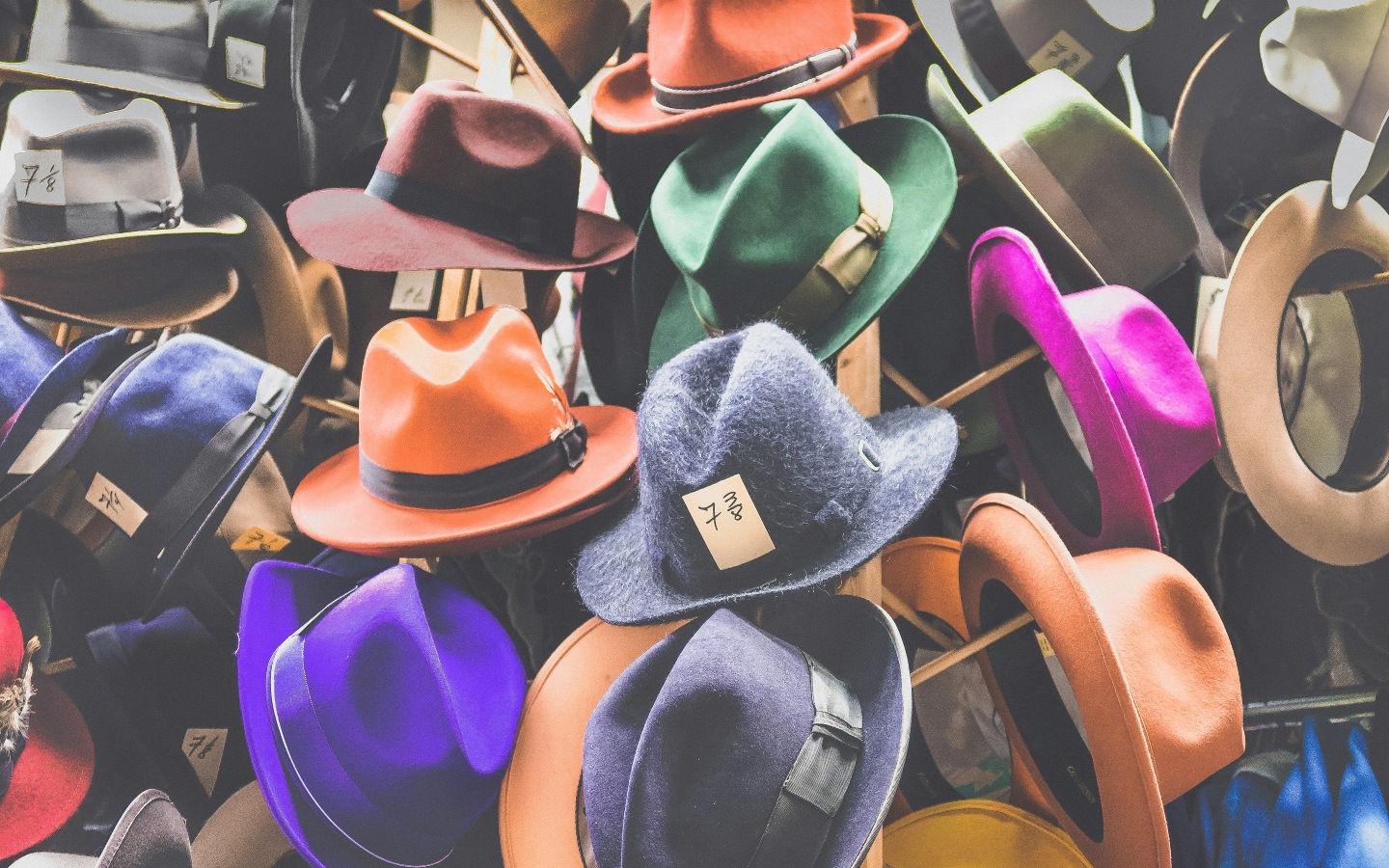
To be more specific, a cowboy hat has a tall crown and a wide brim that curls up at the sides. A bowler hat has a hard, rounded crown and a short, curled brim. Boater hats are stiff straw with a flat top and a ribbon band. Sun hats have the widest brim of all. And a felt hat like the fedora has a pinched crown shape with a brim all the way round. Bucket hats are hats too, even though they turn up on every cap list.
Cap is a general category with three families, and this guide takes them in order. First the baseball cap family, where almost every cap you'll buy sits. Then knit caps. Then heritage and uniform caps. After that come a few caps made for one job, and the two hats everyone calls caps anyway.
How to read any cap: the 5 parts that name it
As soon as you learn these five parts of the cap, every cap name on this page will start making sense!
Front panels – Most baseball caps have five or six panels sewn into a dome. A 6 panel cap has a seam down the middle of the front. A 5 panel cap has one wide front panel with no seam.
Crown structure – A structured cap has a stiff backing called buckram behind the front panels, so it stands up on its own. An unstructured cap is soft and takes the shape of your head.
Crown height – Caps come in low, mid and high profile. A low profile sits close to your head. A high profile stands tall above your forehead and gives a logo the most room.
Bill – The brim, also called the visor or peak, comes in three brim shapes. A curved brim, a flat brim, or a sandwich bill with a contrast stripe through the edge. Brim shape changes the look more than most people expect.
Back – The closure decides the fit. You'll see snapback, strapback (adjustable straps with a buckle), Velcro, stretch fit caps and fitted caps, plus the mesh back on truckers.
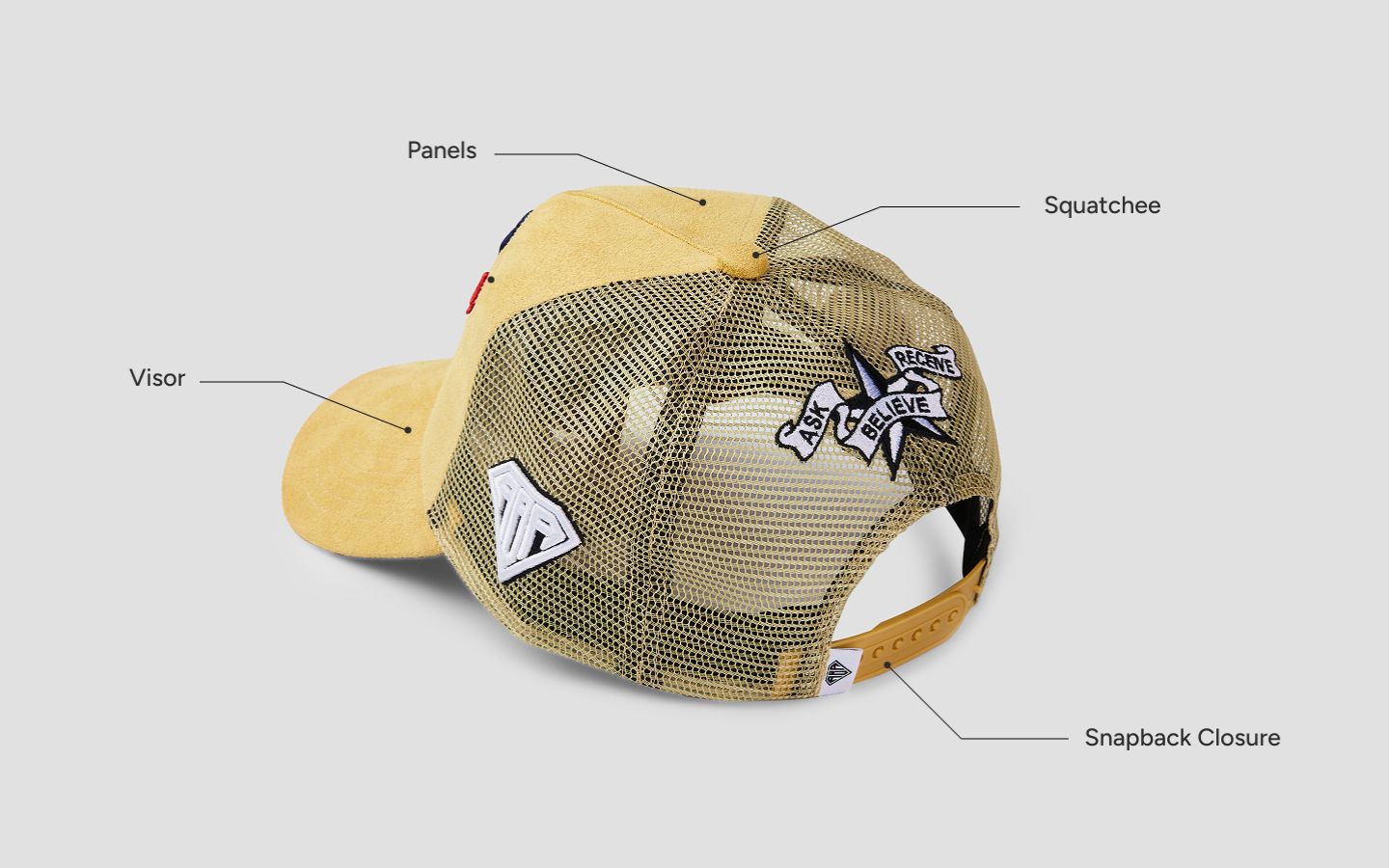
Put it together and the names line up. A trucker hat is named after its mesh back. A snapback is named after its closure. A dad hat is named after its soft, low crown. That's why a snapback trucker is a real thing, and why two people can call the same cap by different names.
When people say there are three kinds of caps, they usually mean structured, unstructured and fitted. Those three words cover the crown structure and the back, and they're a handy shortcut when you brief someone.
The main baseball cap styles
Almost all the caps you'll ever buy are baseball caps in some form. These are the main baseball cap styles, 12 of them, and each one changes one or two of the five parts and keeps the rest. We make all of them from scratch, so each one ends with what you can change when you make your own.
1. Baseball cap
The classic baseball cap has a structured 6 panel build, a mid crown height, a rounded crown, a curved brim and an adjustable back. It's the default that every other style on this list changes.
The shape goes back to 1860, when the Brooklyn Excelsiors played in an early cap with a rounded crown, a long visor and a button on top. People called it the Brooklyn style, and it stayed the standard on ball fields until the 1940s. Look at an old team photo of the Brooklyn Excelsiors and you'll recognize the shape straight away.
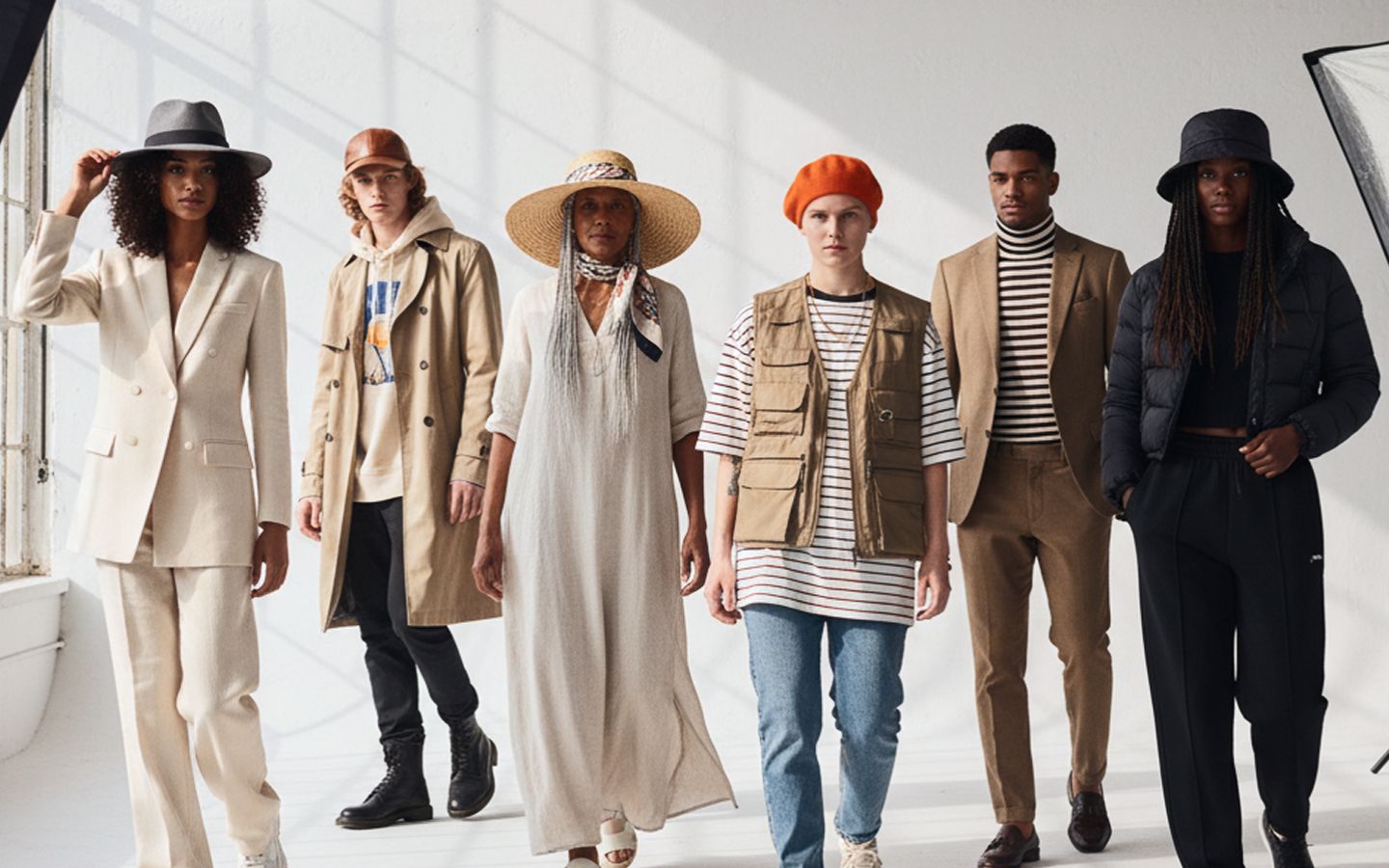
It suits almost everyone, which makes it the safest pick when you don't know who'll wear it. Think staff uniforms, giveaways for a mixed age crowd and club sports teams. A structured cap holds a logo flat, so bold designs and 3D puff embroidery look sharp.
When you make your own baseball caps, you pick the fabric, closure, profile and decoration method. You can also match team colors to Pantone instead of settling for the nearest stock shade.
2. 6 panel cap
Six triangular panels meet at a button on top, so a seam runs down the middle of the front – most baseball caps are 6 panel caps, so you've worn one even if you never counted.
That center seam matters for your logo. A tall, narrow logo sits on it fine. A wide wordmark or a detailed design gets split down the middle. One way around it is to stitch the logo onto the flat fabric before the panels are sewn, so it crosses the seam cleanly. You can only do that when the cap is made from scratch.
Make your own 6 panel hats and you can color each panel differently, from one color to two tone or full color blocking.
3. 5 panel cap (camp cap)
A 5 panel cap swaps the two front panels for one wide panel with no seam. That flat front is the best canvas on any cap for wide logos, text and patches.
There are two common versions. The camp cap is soft and low, usually with a flat brim, the kind you see in skate shops, fashion lookbooks and on hiking trails. The structured 5 panel stands taller and looks closer to the classic baseball cap. You'll also see a pinch front, where the top of the front panel is pinched into a crease, and the odd 7 panel cap, which adds panels at the back.
When you make your own 5 panel hat, you choose a camper shape or a structured one, and the whole front is yours.
4. Dad hat
A dad hat is an unstructured cap with a low profile, a curved brim and a strap with a buckle at the back. Soft cotton twill or washed fabric gives it a relaxed fit and makes it look worn in from day one. So is a dad hat a baseball cap? Yes. It's the soft version, and the one most people reach for as everyday wear.
Dad hats suit lifestyle brands, coffee shops, campus merch and anyone who wants a cap that feels easy rather than loud. The soft crown bends, so keep the logo small. Short wordmarks and small icons look best. A big patch on a dad hat folds with the fabric.
Make your own dad hats and you can pick washed twill or corduroy, and swap the stock buckle for a metal one with your logo on it.
5. Snapback
A snapback is named after its closure, the plastic strap with snaps at the back. The classic snapback cap is a structured cap with a high profile and a flat brim. One size fits most heads, which made snapbacks the go to for team merch in the 80s and 90s. Hip hop took the look from there, and it's been a street fashion staple ever since.
People often ask about snapback vs strapback. Both adjust. A snapback uses plastic snaps, and a strapback uses a fabric or leather strap with a buckle.
The tall, stiff front panels are made for big logos, patches and 3D puff. Most trucker hats use a snapback closure too. When you make your own snapbacks, even the snap can come in your color.
6. Trucker hat (trucker cap)
A trucker hat has a foam or twill front and a mesh back, usually with a snapback closure. The mesh back keeps your head cool, which is why trucker hats live at festivals, ballparks and summer events.
Trucker hats started as free giveaways. In the 1970s, feed and farm supply companies handed them to farmers and truck drivers, so people called them gimme caps. In the early 2000s they came back as a fashion piece. Ashton Kutcher wore one everywhere, and Justin Timberlake later said he'd worn trucker caps since he was 17.
Keep the logo on the front panels, because mesh doesn't hold stitching cleanly. When you make your own trucker hats, you choose the front fabric, the mesh color and the mesh type, standard or premium.
7. Fitted cap
Fitted caps have a closed back and come in exact sizes, like shoes. Pro baseball players wear them on the field, and the classic ones were wool. There's nothing to adjust, so the cap sits clean all the way around your head.
The catch is sizing. You need a size run, so work out how many of each size you need before you order. On a custom order, fitted caps always start with a sample, and the timeline starts at about 17 business days. Count that in if you have a date.
8. Stretch fit cap
A stretch fit cap has a closed back with an elastic band in the sweatband. Stretch fit caps look like fitted caps but give a little, so two sizes, S/M and L/XL, cover most heads.
They're a good middle ground for teams. You get the clean fitted look without planning six sizes. Golf crews and run clubs like them for the same reason. Make your own in performance polyester or cotton twill.
9. Strapback
A strapback closes with adjustable straps in fabric or faux leather, held by a buckle or slider. It's easy to adjust and looks a little more grown up than plastic snaps.
It suits premium caps and company merch, because the buckle becomes another place for your brand. When you make your own, you can put your logo on a metal buckle in silver, bronze or black nickel, on a faux leather strap.
10. Golf and performance caps
Golf caps and performance caps use light polyester or mesh that dries fast, plus a sweatband that pulls moisture away. Most are unstructured or low profile, with a curved brim. Runners and golfers live in them.
They suit golf days, run clubs, outdoor crews and anyone who'll wear a cap for hours in the heat. Building your own? You can choose poly mesh, a premium stretch mesh and a moisture wicking sweatband.
11. Rope hat
A rope hat has a braided cord running across the front, just above the brim. It's usually a 5 panel or 6 panel cap with a retro, sailing or golf course feel.
The rope is a small detail that changes the whole look. On a cap you make yourself, it comes in stock colors.
12. Washed and vintage caps
Washed baseball caps go through a wash that fades the color and softens the fabric, so they look like you've owned them for years. Corduroy caps sit in the same vintage corner.
They suit college merch, fashion labels and anyone who wants a broken in feel. When you make your own, the washed effect works on any fabric and in your own shade, not only the colors a stock cap comes in.
Knit caps
13. Beanie
A beanie is a knit hat with no brim. Beanies come in three main shapes. A cuffed beanie folds up at the bottom, a pom beanie has a ball on top, and a classic beanie has no cuff. Fisherman and slouchy styles are variations on the same idea.
The knitted yarn decides how it feels. Acrylic is soft and holds color, cotton breathes, and wool blends keep you warmer.
A beanie gives you two ways to add a logo. You can knit it into the fabric, or stitch it on top. Embroidery on the cuff goes up to 2.5 inches tall, and 3D puff works there too. When you make your own beanie, you can also add a fleece lining that covers the whole inside.
Heritage and uniform caps
These styles are cut and sewn differently from the baseball family. You'll see them in shops, on uniforms and in old photos.
14. Flat cap (ivy cap)
A flat cap has a one piece crown pulled forward over a small, stiff brim. It's British countryside wear, usually in wool or tweed, and a fashion staple again today. In 1571, an English law even told most men to wear a wool cap on Sundays to support the wool trade.
15. Newsboy cap
The newsboy cap, or baker boy, has a full crown made of eight panels with a button on top. Newspaper sellers wore it in the early 1900s. It's easy to mix up with the flat cap. The newsboy is puffier and has the button.
16. Military cap
Military caps, also called patrol caps or cadet caps, have a flat top, a short straight brim and a structured crown. They come from field uniforms and now show up in streetwear and outdoor gear.
17. Peaked cap
A peaked cap, or service cap, has a round flat top, a stiff peak and usually a badge on the front. Navies, police forces and ship captains wear it for ceremonies and dress uniforms. On a normal shift, most departments wear a ball cap instead.
18. Painter's cap
A painter's cap is a thin cotton cap with a short, soft brim. It's cheap and light, which made it a favorite for work crews and promotional giveaways.
19. Beret
A beret is a soft, round, flat crown with no brim at all. It comes from the Basque region between France and Spain, and it's still part of many military uniforms.
20. Trapper hat
A trapper hat, or aviator cap, has ear flaps and a warm lining, often fur or fleece. It's made for real cold, the kind where a beanie isn't enough.
Caps made for one job
21. Cycling cap
A thin cotton cap with a short brim that fits under a helmet. Riders flip the brim up on the bike.
22. Swim cap
A tight cap in silicone or latex. It cuts drag in the water and keeps your hair out of the way.
23. Scrub cap
A cotton cap that ties at the back. Nurses, surgeons and vets wear scrub caps to keep hair covered.
Hats that get called caps
24. Bucket hat
A bucket hat has a soft crown and a full brim that slopes down all the way around. Like sun hats and the cowboy hat, it's technically a hat, but people file bucket hats with caps anyway. It started as rain gear for fishermen and farmers and came back with 90s hip hop. Today bucket hats are a festival and streetwear staple, and the wider brim gives your neck more shade than any cap.
25. Visor
A visor is a brim and a band with no crown, so like bucket hats, it isn't really a cap. It shades your eyes and leaves your head open to the air, which is why you see visors on golf courses, tennis courts and running tracks.
Making your own cap: what you can change
Most custom baseball caps are stock blanks with a logo added. You pick a cap from a catalog, and the only part that's yours is the logo. When the cap is built from scratch, every part on this page becomes a choice.
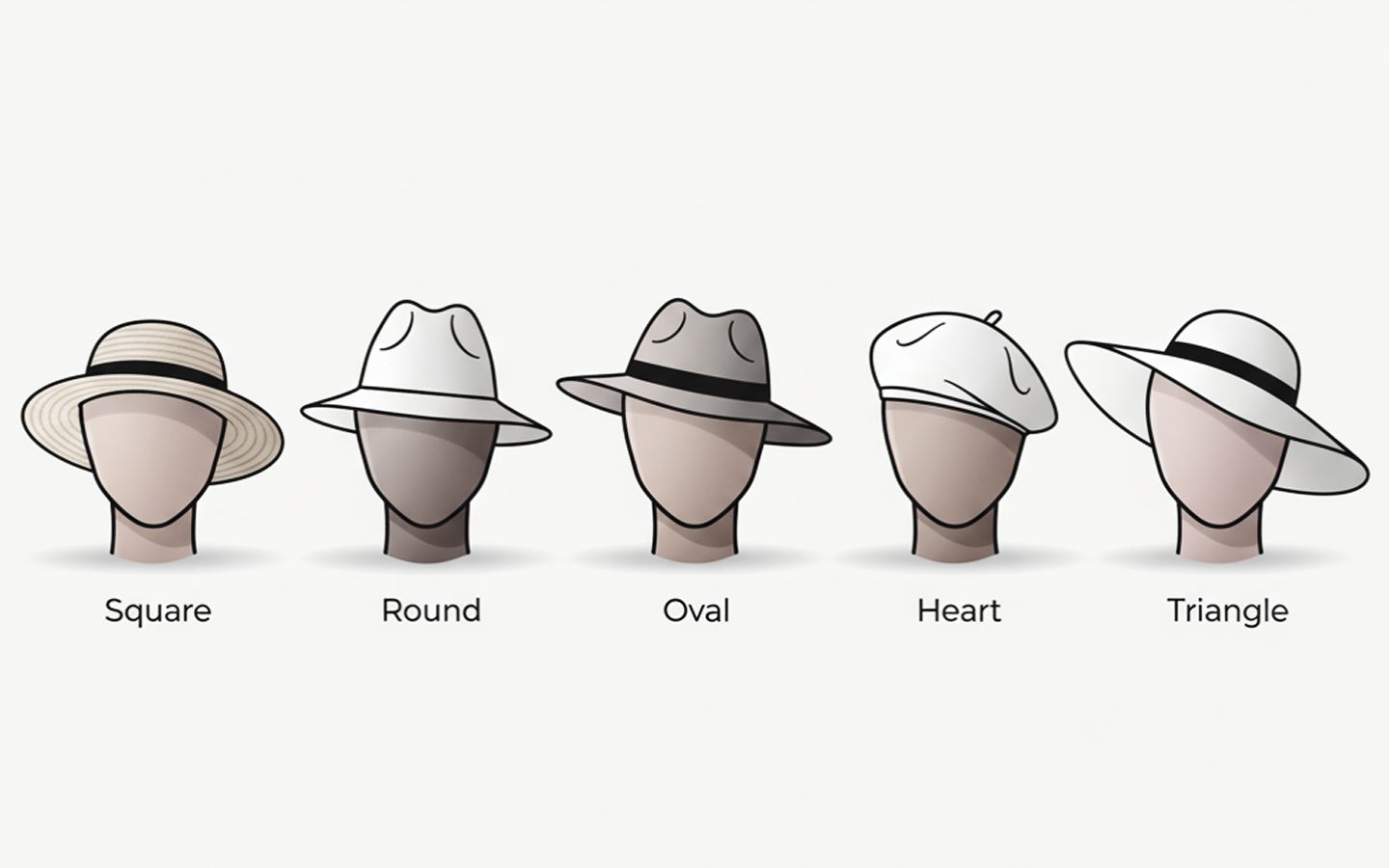
You can change all of this on the 12 baseball cap styles above, and on the beanie.
The fabric – Cotton twill, wool blend, corduroy, faux suede, mesh and performance polyester. Fabric weight matters too. A heavier twill holds its shape, and a lighter one breathes.
The colors – Fabric and thread matched to your Pantone, down to the snap, the eyelets and the sweatband. We save your colors, so a reorder matches the first run.
The decoration method – Flat embroidery for clean logos, 3D puff for bold ones, patches for detailed art, and screen print or full print for photos and patterns. Stitched logos go up to 2.5 inches tall, in up to 9 thread colors.
The inside – A printed sweatband, printed taping and a woven label make a cap feel like something people keep.
The packing – Hang tags and individual bags if you're selling caps or handing them out at an event.
If you run entire process with THE/STUDIO, then it's quite short:
You send your logo or a picture, and we send a free mock up, usually within 24 hours.
You approve it or request edits.
If you want to hold the cap first, a physical sample adds about 6 business days.
Production takes as little as 7 business days for up to 100 caps, or 12 for 101 to 500, counted from your approval, plus shipping.
Shipping is free, with no tariffs to pay.
And as soon as you submit first picture or a logo, until the point when the order is fulfilled, you talk to a real person that guides you throughout entire process and helps you with your order.
Conclusion: how to choose the right cap
Once you know the five parts, every cap name makes sense, and picking from all these styles gets easier. Answer four questions.
Who's wearing it? A mixed crowd needs an adjustable back, like a snapback or a strapback. A team that wants a clean look can go stretch fit, or fitted if you're ready to plan sizes.
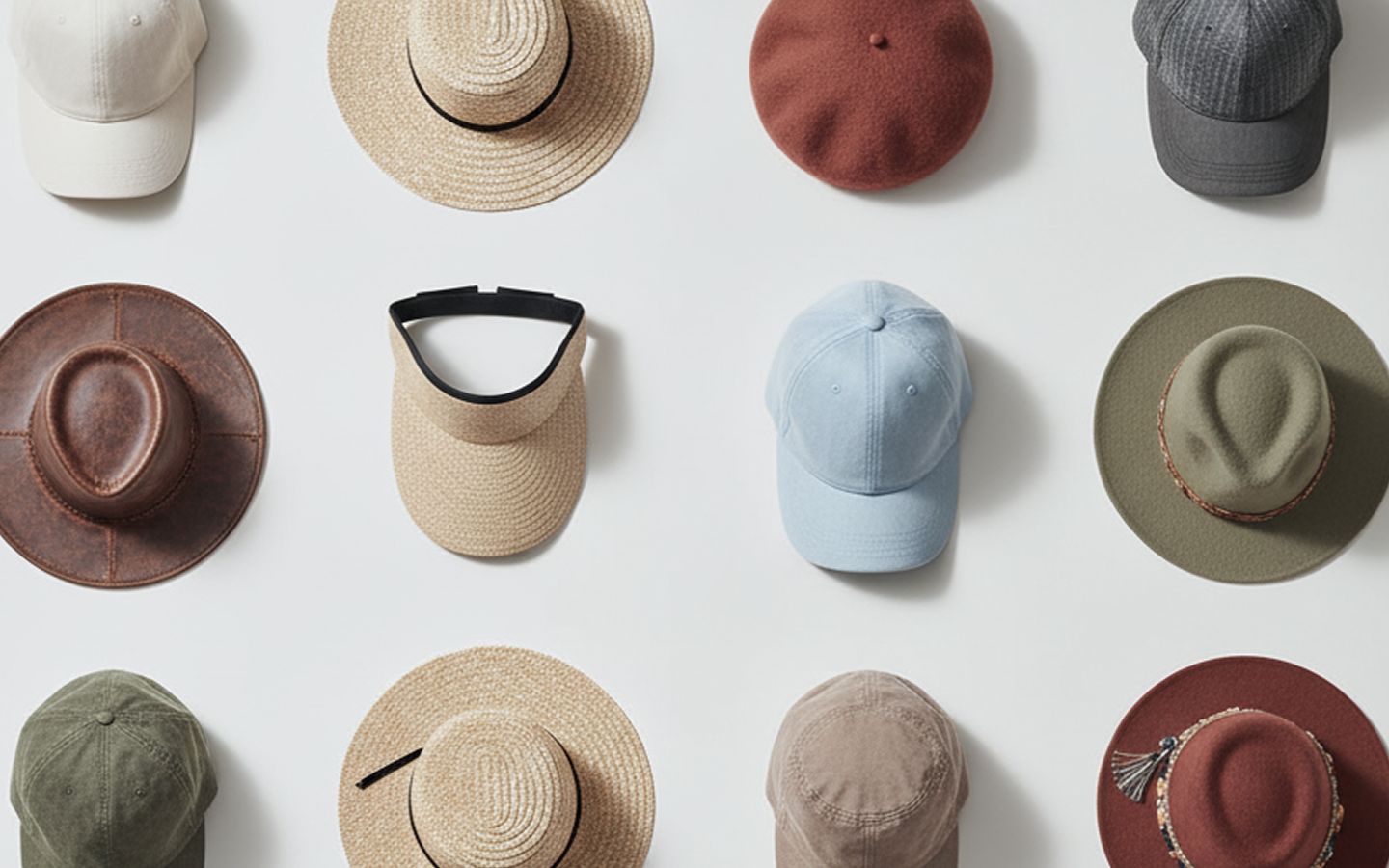
What goes on the front? A wide logo or patch wants a 5 panel. A bold logo wants a structured cap with a high profile. A small mark looks best on a soft dad hat.
Where and when will people wear it? For summer and outdoor activities, go for a trucker cap or a performance fabric. For the cold, pick wool blends, corduroy or a beanie. Any cap with a bill gives your face some sun protection, but it doesn't replace sunscreen.
When do you need it in hand? Count back from your date. Add about 6 business days if you want a sample, and more for fitted caps.
Still stuck between two styles? Send your logo and get a free mock up of both.
Start at custom hats!